It is necessary to re-pot plants when they out grow their growing containers. You can tell that a plant needs to be re-potted when the root system begins to grow out of the bottom of the container. Transplanting always causes some sort of damage to a plants system and can cause shock as well. By being prepared and informed about how to replant, you can minimize damage to the plant.
 |
| Root bound container in need of re-potting |
1. Choose a larger container to transfer the plant into.
2. Fill the new pot with potting media of your choice. Make sure that the soil is moist.
3. Loosen the plant from the original pot by pushing on the sides and bottom of the pot.
4. Remove the plant from the pot and gently place in the new container. Try not to move the root system too much. Every movement of the roots causes damage to the root hair. Since root hairs are responsible for absorbing water, any damage to them will cause a slower recovery.
5. Cover the root system of the plant with soil and water thoroughly. Then, place the plant in sunlight and watch carefully.
After re-potting there may be signs of water distress in the plant. This will show by leaves wilting slightly. Keep the soil moist and keep an eye on the plant for at least a week after re-potting.
Sources: Dayla Haderlie. Image from Google
Acclimatization
When talking about a home owner who wishes to bring tropical or annual plants indoor for the winter, there are several things that can be done to help the plants get used to their new environment.
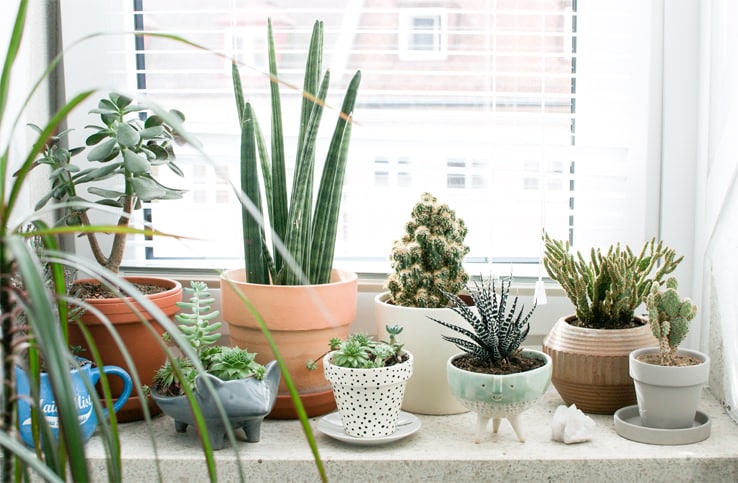
1. Check for pest and diseases on the plants and treat them before attempting to move the plant. If plants are diseased or have pest present, it will be harder for them to adjust. By taking care of such problems before, you will be giving your plant the best possible chance at adjusting.
2. Place your plants in a shady location that is close to the building they will inhabit. Leave them in this area for a couple of weeks before switching to an indoor environment.
3. When bringing plant indoors you may want to cut them back a small amount. Any new growth that returns will be better adapted to indoor life.
4. Be sure that each container has proper drainage so that the roots will not rot. After bringing the plants indoors, make sure to fertilizer on a regular schedule so that the plants will have the nurients they require.
5. Do not over water. Many plants require less water in the winter months than the rest of the year. Make sure not to water too much during the cooler months.
Sources: bhg.com, http://mrec.ifas.ufl.edu/foliage/resrpts/rh_90_1.htm, image from google

No comments:
Post a Comment